
What matters most is what was applied, where it was applied, and whether the original barrier stays intact.
How long does termite treatment usually last?
Most pest control termite treatment solutions are designed to protect a home for 3 to 10+ years, but real-world longevity varies. Liquid soil barriers often aim for multi-year protection, while baits can work long-term only if stations are maintained and replaced.
If a company offers a warranty, it is usually a better indicator of expected performance than any single number.
What treatment types last the longest?
In general, properly installed soil barriers and well-maintained baiting systems can both provide long protection, but they last in different ways. Barriers rely on a continuous treated zone, while baits rely on ongoing colony suppression.
Longevity depends less on the label and more on installation quality and site conditions such as soil, drainage, and disturbance.
How long do liquid (soil-applied) termite treatments last?
Liquid treatments can last 5 to 10 years or more when the treated soil zone remains continuous and undisturbed. They may fail sooner if the soil is frequently dug up, if landscaping changes redirect water, or if new cracks and voids create untreated pathways.
Properties with poor drainage or repeated soil movement often need more frequent inspections and potential re-treatment.
How long do termite bait stations last?
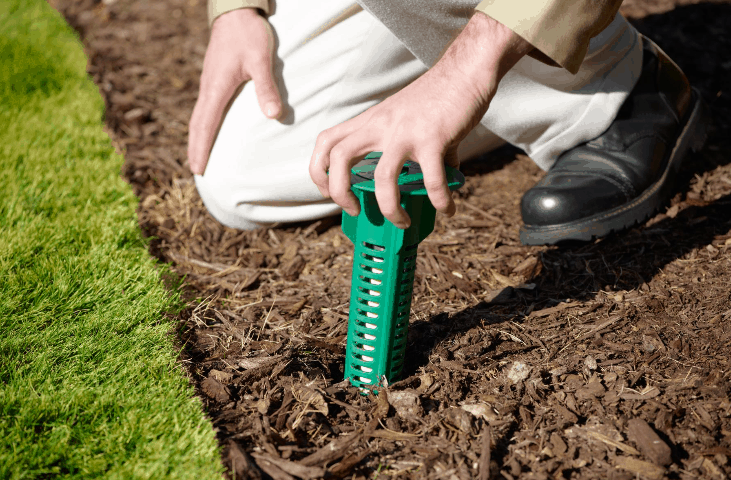
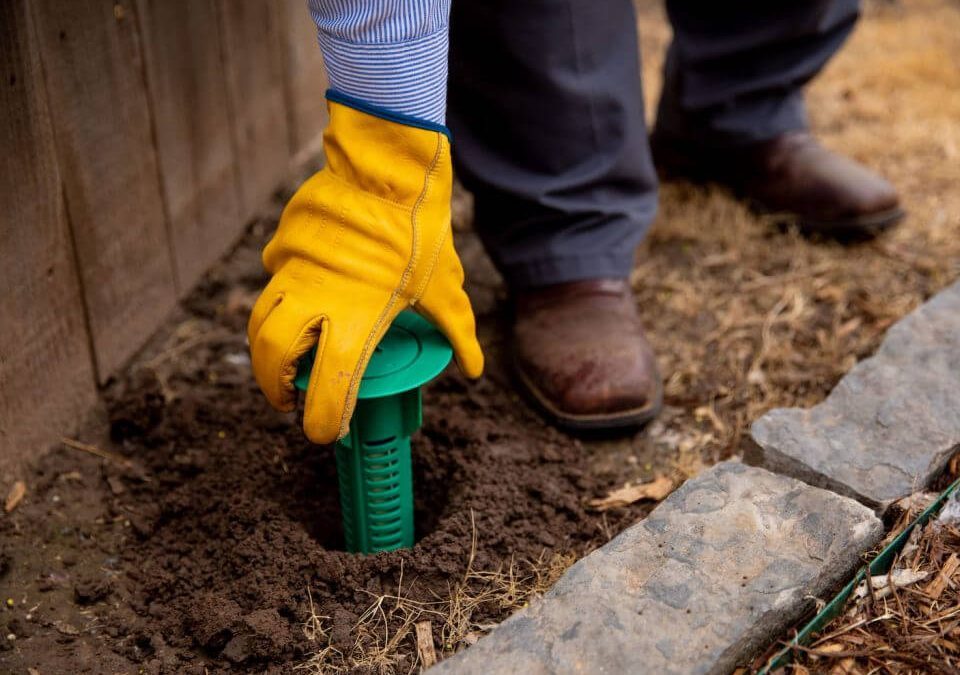
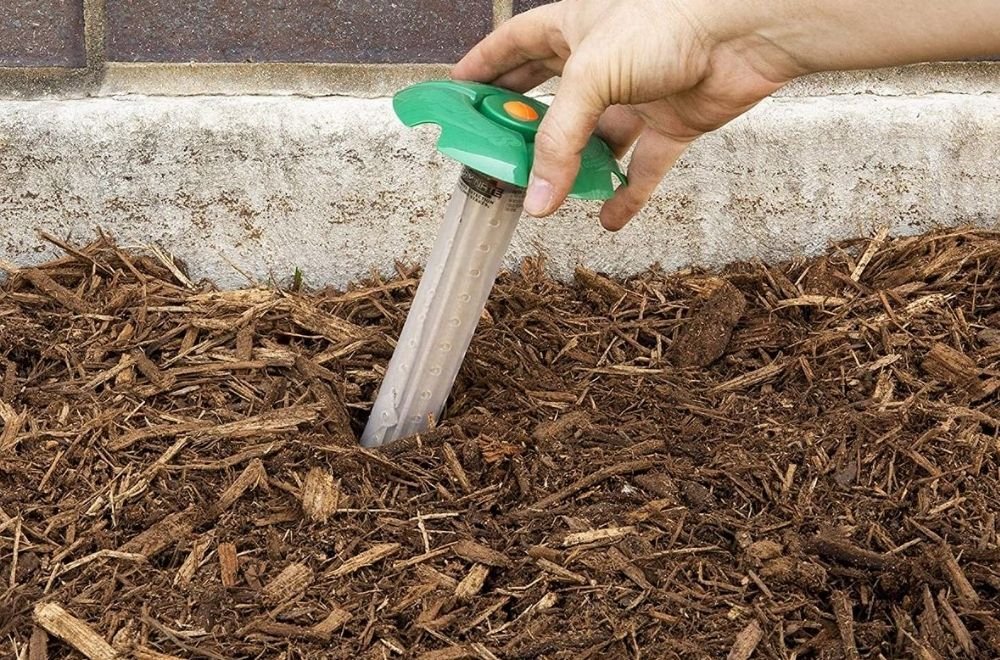
Bait stations can protect for many years, but only if they are actively serviced. The plastic stations may remain in the ground for a long time, yet the bait inside is typically replaced based on inspection results, termite activity, and product requirements.
If stations are ignored, protection becomes unreliable because termites may bypass inactive or depleted stations.
How long do wood treatments and foams last?
Wood treatments and foams can last several years in the treated area, but they are usually localised, not whole-property barriers. They work best as a targeted fix for known activity, wall voids, or specific timbers, often alongside a broader system.
On their own, they may not stop future entry if termites can reach the structure elsewhere.
What factors shorten the life of termite treatment?
The most common reason treatments do not last is that termites find a way around them. Soil disturbance, poor drainage, construction changes, and untreated entry points all reduce lifespan.
Even simple changes like new garden beds, paving work, or plumbing repairs can break a chemical barrier and create a gap.
Can termites come back after treatment?
Yes, termites can return if the colony was not fully eliminated, if a new colony moves in, or if the protective zone is compromised. Treatments often stop current activity, but they do not remove the conditions termites like, such as moisture, hidden timber contact, and sheltered access.
That is why ongoing inspections are part of long-term control, not an optional extra.
How often should termite inspections happen after treatment?
Most professionals recommend inspections at least annually, and sometimes more often in high-risk areas. Inspections confirm whether the barrier is intact, whether bait stations are active, and whether conditions around the home are inviting termites.
Regular checks also catch non-termite issues like leaks and damp timbers that can raise termite risk later.
How can they tell if the treatment is still working?
A treatment is considered to be working when there are no signs of active termites and the protective system is intact. For baits, that includes station condition and any feeding activity trends; for liquids, it includes whether the treated zone has likely been disturbed.
A reputable provider typically documents findings and advises if any areas need topping up or repairs. Learn more about termite barrier Sydney: Is it worth the investment?
What maintenance helps termite treatment last longer?
Keeping the home dry and reducing access points extends protection more than most people expect. Fixing leaks, improving ventilation, maintaining drainage, and keeping soil and mulch away from weep holes all reduce termite pressure.
They should also avoid disturbing treated soil and inform any tradespeople about termite barriers before digging or drilling near the foundations.
Should they re-treat on a schedule or only if termites return?
Re-treatment should be based on risk and inspection results, not guesswork. Some homes in high-pressure termite zones benefit from proactive renewal, while others remain protected with monitoring and minor repairs to the barrier.
If a warranty exists, following the inspection schedule is important, because missed inspections can void coverage.
What should they ask a pest controller about treatment lifespan?
They should ask which method is being used, what lifespan is expected for that specific property, and what could shorten it. It is also worth asking what the warranty covers, how often inspections are required, and what maintenance is their responsibility.
Clear answers and written documentation usually signal a professional operator.
What is the simplest takeaway on how long termite treatment lasts?
Termite treatment lasts longest when it is installed correctly and followed by consistent inspections and sensible property maintenance. As a rule, they should think in terms of years, not months, but also plan for monitoring because conditions change.
If they want the most reliable outcome, they should combine treatment with ongoing inspection and moisture control rather than relying on a one-off fix.
FAQs (Frequently Asked Questions)
How long does termite treatment typically protect a home?
Most professional termite treatments are designed to protect a home for 3 to 10+ years, but actual longevity varies based on the treatment method, property construction, and whether termites find new entry points. Regular monitoring is essential since no treatment lasts forever.
Which termite treatment methods offer the longest-lasting protection?
Properly installed liquid soil barriers and well-maintained baiting systems can both provide long-term protection. Soil barriers rely on a continuous treated zone, while baits depend on ongoing colony suppression. Longevity depends heavily on installation quality and site conditions like soil type and drainage.
Why is regular termite inspection important after treatment?
Regular inspections, typically at least annually, help ensure the protective barrier remains intact, bait stations are active, and environmental conditions haven’t become favourable to termites. Inspections also detect issues like leaks or damp timbers that increase termite risk over time.
What factors can reduce the lifespan of termite treatments?
Factors such as soil disturbance, poor drainage, landscaping changes, construction work, or untreated entry points can break chemical barriers or create gaps for termites to enter. Even minor changes like new garden beds or plumbing repairs can compromise treatment effectiveness.
Can termites return after initial treatment and why?
Yes, termites can return if the original colony wasn’t fully eliminated, if new colonies move in, or if the protective zone is compromised by environmental changes. Treatments stop current activity but do not eliminate conducive conditions like moisture or hidden timber contact.
Should termite treatments be re-applied on a fixed schedule or only when termites return?
Re-treatment should be based on risk assessments and inspection results rather than a fixed schedule. High-risk properties may benefit from proactive renewal, while others remain protected with monitoring and minor repairs. Following warranty inspection schedules is crucial to maintain coverage.