
This guide explains what termite barriers do, where they help most, what they cost in broad terms, and when they may not be enough on their own.
Is a termite barrier actually worth it in Sydney?
For many Sydney properties, a termite barrier Sydney solution is worth the investment because it reduces the likelihood of concealed termite entry and supports earlier detection. It does not guarantee a termite-free property, but it can materially lower the chance of a major, expensive infestation.
The strongest value tends to show up over time. Preventing just one significant repair can outweigh years of preventative costs.
What exactly is a termite barrier meant to do?
A termite barrier is designed to stop termites from entering a structure unseen, or to force them into visible areas where they can be detected during inspections. In practice, it aims to break the “hidden access” termites rely on, such as through slab penetrations, wall cavities, and subfloor paths.
Barriers work best when they form a continuous, correctly installed system. Gaps, bridging, and later building changes can reduce effectiveness.
Which types of termite barriers are commonly used in Sydney?
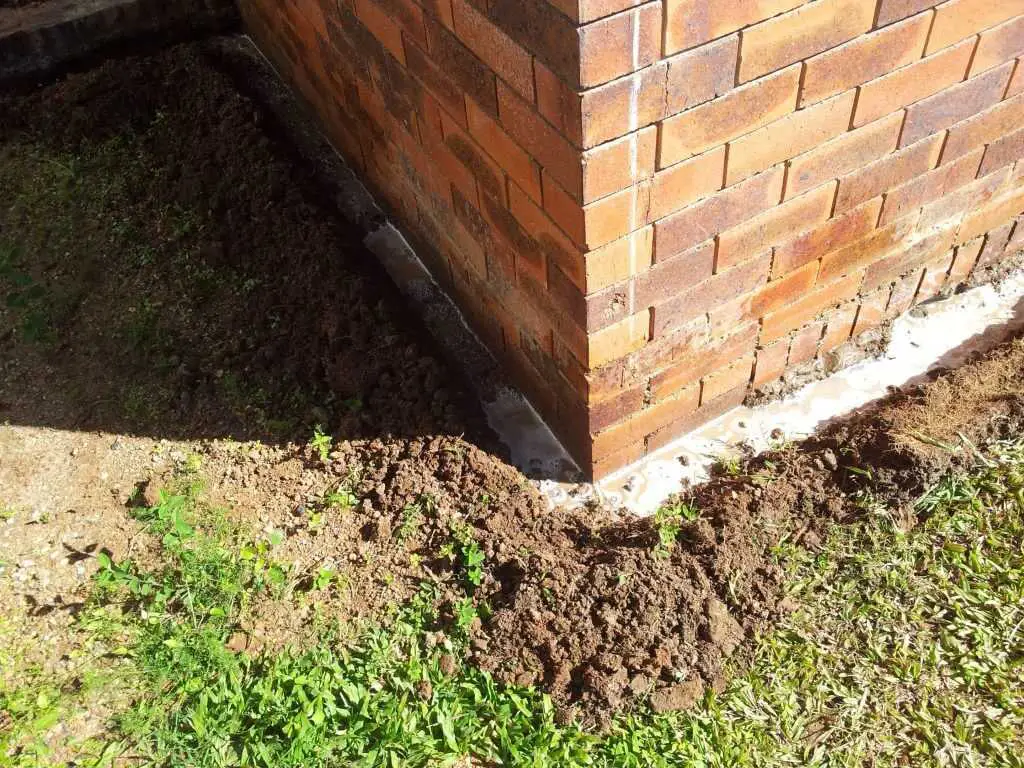
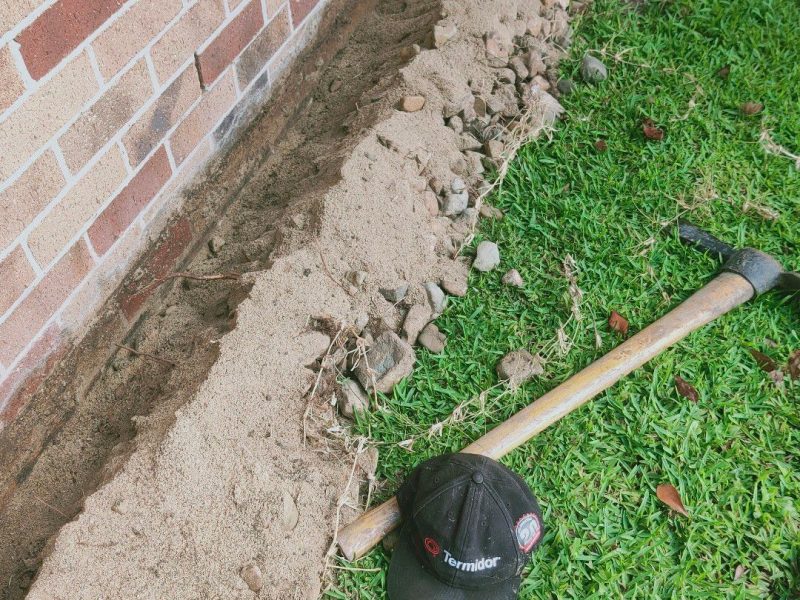
In Sydney, the most common options include chemical soil treatments and physical barriers, sometimes used together. Chemical barriers create a treated zone in soil around and under parts of the structure. Physical barriers can include stainless-steel mesh systems or graded stone layers designed to block termite movement.
They each suit different builds and budgets. A newer build may be easier to protect with certain physical systems, while existing homes often lean towards chemical treatments due to access constraints.
How much does a termite barrier cost in Sydney, and what affects the price?
Costs vary widely because properties differ in size, access, construction type, and risk factors. A smaller, straightforward home may cost far less than a large, complex property with difficult subfloor access, retaining walls, or extensive landscaping against the house.
Ongoing costs matter too. Many chemical barriers need re-treatment on a schedule, while physical systems still require regular inspections and careful property maintenance to prevent bridging and moisture issues.
What factors make termite barriers more valuable for some properties than others?
A termite barrier tends to be more valuable where risk is higher and entry points are harder to monitor. Homes with subfloors, older timber elements, poor drainage, or gardens tight to the building envelope often benefit more from a proper barrier strategy.
Neighbourhood history can also matter. If nearby properties have had termite activity, owners often view a barrier as a practical risk-reduction step rather than an optional upgrade.
Can a termite barrier replace regular termite inspections?
No, a termite barrier does not replace routine inspections, and treating it like a set-and-forget solution is one of the most expensive mistakes owners can make. Barriers reduce risk, but termites may still find a way in through gaps, changes to the property, or untreated zones.
Regular inspections help confirm the barrier is intact, identify conducive conditions, and catch activity early when damage is limited.
What are the main reasons termite barriers fail?
Most failures come down to continuity and changes over time. Common issues include gaps in installation, poor coverage around penetrations, and “bridging” where soil, mulch, pavers, or garden beds create a path over the barrier.
Moisture problems also play a role. Leaks, poor drainage, and inadequate ventilation can increase termite pressure and make concealed activity more likely, even with a barrier in place.
When might a termite barrier not be the best first spend?
If the property has immediate moisture issues, structural timber in contact with soil, or known active termites, a barrier alone may not be the first priority. In those cases, fixing the conditions that attract termites, addressing active infestations, and improving access for inspection can deliver better short-term value.
Similarly, if owners cannot commit to ongoing inspections and maintenance, the investment can underperform. A barrier works as part of a system, not as a single purchase. Learn more about pest control termite treatment: how long does It last?
How can owners maximise the return on a termite barrier investment?
They maximise value by pairing a barrier with disciplined inspection and property upkeep. That includes keeping weep holes clear, ensuring gardens and mulch do not bridge paths into the structure, improving drainage, and fixing leaks quickly.
Documentation matters as well. Keeping records of installations, re-treatments, and inspection reports helps maintain continuity, supports warranty requirements where applicable, and can be useful during a sale.
So, is a termite barrier in Sydney worth it overall?
For many Sydney properties, a termite barrier is a sensible investment because it reduces hidden entry and supports earlier detection, which can prevent costly structural repairs. The best results come when they treat it as one layer in a broader termite management plan that includes inspections and moisture control.
If owners want a clear answer for a specific property, the practical next step is a professional assessment of construction type, site conditions, and risk factors, then selecting a barrier approach that can realistically be maintained.
FAQs (Frequently Asked Questions)
Is a termite barrier worth investing in for Sydney properties?
Yes, for many homes and small commercial buildings in Sydney, a termite barrier is a worthwhile investment. It reduces the likelihood of concealed termite entry and supports earlier detection, thereby lowering the chance of costly infestations over time.
What is the primary function of a termite barrier?
A termite barrier is designed to prevent termites from entering a structure unseen or to force them into visible areas where they can be detected during inspections. It breaks the hidden access termites rely on, such as through slab penetrations, wall cavities, and subfloor paths.
What types of termite barriers are commonly used in Sydney?
In Sydney, common termite barriers include chemical soil treatments that create treated zones around structures and physical barriers such as stainless-steel mesh systems or graded stone layers. These options may be used separately or together depending on the building type and budget.
How much does installing a termite barrier cost in Sydney?
Costs vary widely based on property size, construction type, site access, and risk factors. Smaller homes with straightforward access may incur lower costs, while larger or complex properties with difficult subfloor access or extensive landscaping might face higher expenses. Additionally, ongoing maintenance costs like re-treatments or inspections should be considered.
Can a termite barrier replace regular termite inspections?
No, a termite barrier does not replace routine inspections. While it reduces risk, termites can still find entry through gaps or untreated areas. Regular inspections are essential to ensure the barrier remains intact, identify conducive conditions, and detect early signs of termite activity.
How can property owners maximise the effectiveness of their termite barrier investment?
Owners can maximise value by combining a termite barrier with disciplined inspection routines and proper property upkeep. This includes maintaining clear weep holes, preventing gardens or mulch from bridging the barrier, improving drainage, fixing leaks promptly, and keeping thorough records of installations and inspections.